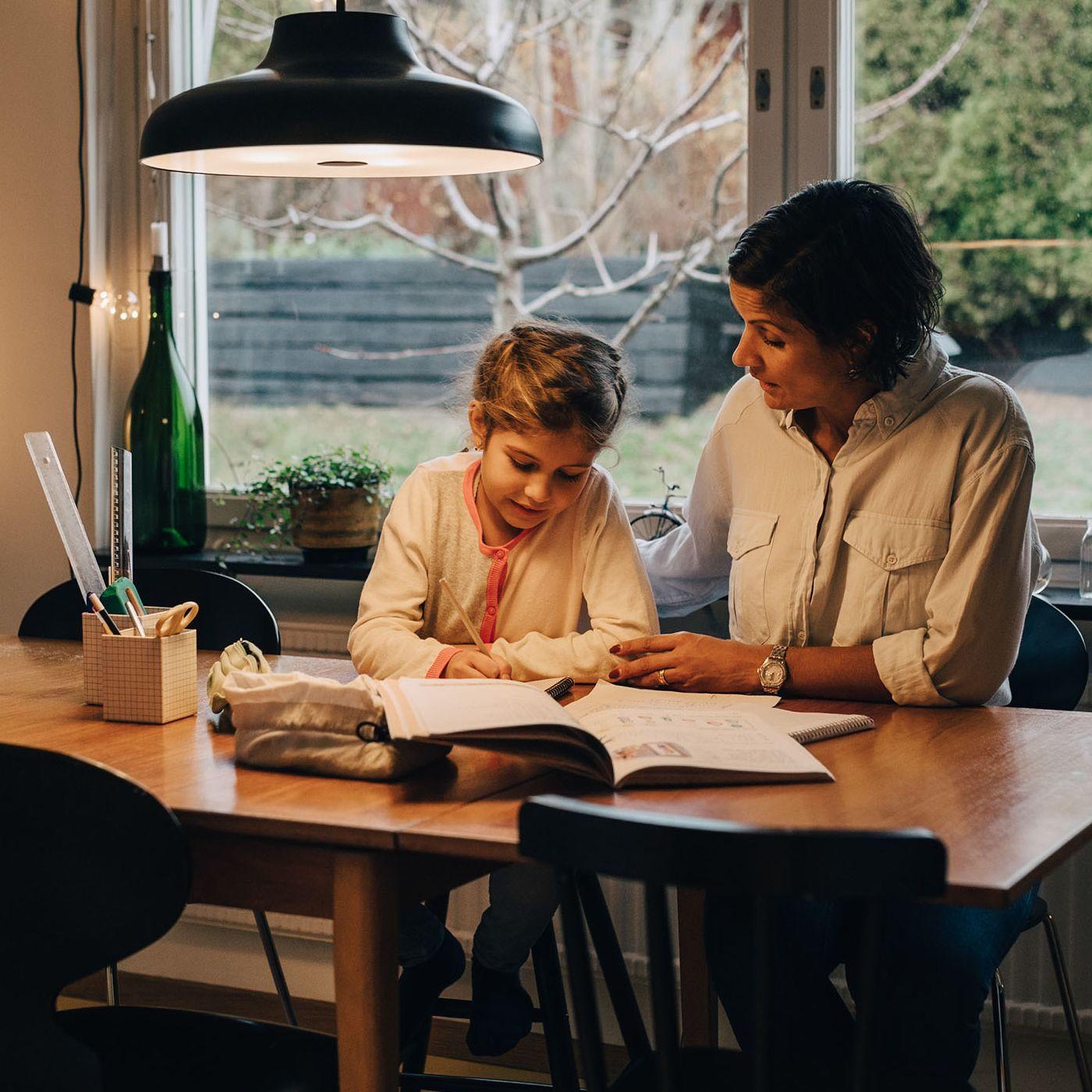
If your child is struggling to read despite practice and support, you may find yourself wondering: Does my child have dyslexia?
Dyslexia can look different in every child, but there are common patterns parents can watch for. Recognizing these signs doesn’t provide a diagnosis, but it can help you decide whether it’s time to seek additional guidance.
12 Possible Signs of Dyslexia
1. Difficulty Sounding Out Words
Your child may struggle to break unfamiliar words into individual sounds and blend them together.
2. Guessing Words While Reading
Instead of sounding out an unfamiliar word, your child may guess based on the first letter, pictures, or context.
3. Reading Much More Slowly Than Peers
Reading may require considerable effort, even when your child understands the material.
4. Difficulty Remembering Letter Sounds
Your child may repeatedly forget the sounds associated with letters, even after practicing them.
5. Persistent Spelling Difficulties
Words practiced many times may still be misspelled, and your child may spell the same word differently within one assignment.
6. Avoiding Reading Aloud
Children who find reading difficult may become uncomfortable reading in front of parents, teachers, or classmates.
7. Understanding More When Someone Reads to Them
This can be an important clue. Your child may understand stories, instructions, or concepts very well when they hear them but struggle to understand the same material when reading independently.
8. Difficulty With Rhyming
Younger children may have trouble identifying or producing rhyming words such as cat, hat, and bat.
9. Trouble Reading Longer or Unfamiliar Words
Multisyllabic words can be especially challenging, even as children get older.
10. Taking a Long Time to Complete Reading Homework
A reading assignment that should take 20 minutes might take significantly longer because so much effort goes into decoding the words.
11. Becoming Frustrated With Reading
You might hear “I hate reading,” “I'm bad at reading,” or “Can you read it to me?” Sometimes avoidance isn't about motivation. Reading may simply feel exhausting.
12. A Family History of Dyslexia or Reading Difficulties
Dyslexia can run in families. If parents, siblings, or other close relatives have experienced significant reading or spelling difficulties, it's worth mentioning when discussing your child's reading development with a professional.
What If My Child Shows Several of These Signs?
Seeing one or two signs doesn't necessarily mean your child has dyslexia. What parents should pay attention to is a persistent pattern of difficulties, particularly when a child continues struggling despite appropriate reading instruction and practice.
Start by speaking with your child's teacher. Ask how your child's reading skills compare with grade-level expectations and whether they've noticed difficulties with decoding, reading fluency, or spelling. If concerns persist, you may also want to explore screening or a professional evaluation.
Don't Confuse Reading Difficulty With Intelligence
One of the most important things for parents to understand is that dyslexia isn't a reflection of intelligence.
A child may be highly curious, creative, articulate, and capable of understanding complex ideas while still struggling to read. Parents sometimes notice a striking difference between what their child can understand when listening and what they can understand when reading independently.
The goal is to identify what's making reading difficult so your child can receive appropriate support.
Wondering Whether Your Child May Be Showing Signs of Dyslexia?
Neuroly's Dyslexia Symptom Screener can help you take a closer look at the reading and learning patterns you're noticing. It only takes a few minutes and can provide a helpful starting point for understanding your concerns.
The screener is not a diagnosis and doesn't replace a professional evaluation.
If your child needs additional reading support, Neuroly can also help you connect with experienced dyslexia specialists who provide personalized, one-on-one online intervention.
Frequently Asked Questions
How do I know if my child has dyslexia?
Parents may notice persistent difficulty with sounding out words, reading fluently, spelling, remembering letter sounds, or reading unfamiliar words. A qualified professional can conduct an evaluation to better understand the cause of your child's difficulties.
At what age does dyslexia become noticeable?
Some signs can appear before formal reading instruction begins, while others become more noticeable during elementary school as children are expected to read increasingly complex material.
Does dyslexia mean my child will always struggle with reading?
Dyslexia is lifelong, but appropriate instruction and support can help children develop stronger reading skills and strategies.
Should I wait to see if my child catches up?
If reading difficulties are persistent or significant, it's worth discussing them with your child's teacher rather than simply waiting. Early identification can help families understand what support may be appropriate.
Ready to take the next step?
Take the Neuroly Dyslexia Symptom Screener for a helpful starting point.
Get Started with Neuroly